A Practical Guide to Community Wi-Fi Networks
Community Wi-Fi networks offer a way to bridge the digital divide in local neighborhoods, providing reliable internet access to underserved areas. This guide will explore the fundamentals of setting up these networks, the challenges involved, and practical steps that communities can take to establish their own Wi-Fi solutions.
Understanding Community Wi-Fi Networks
Community Wi-Fi networks are designed to provide internet access to residents in a specific area, typically in neighborhoods where individual access might be limited. According to a report from the Federal Communications Commission (FCC), approximately 19 million Americans lack access to reliable broadband, which emphasizes the need for alternative solutions like community networks.
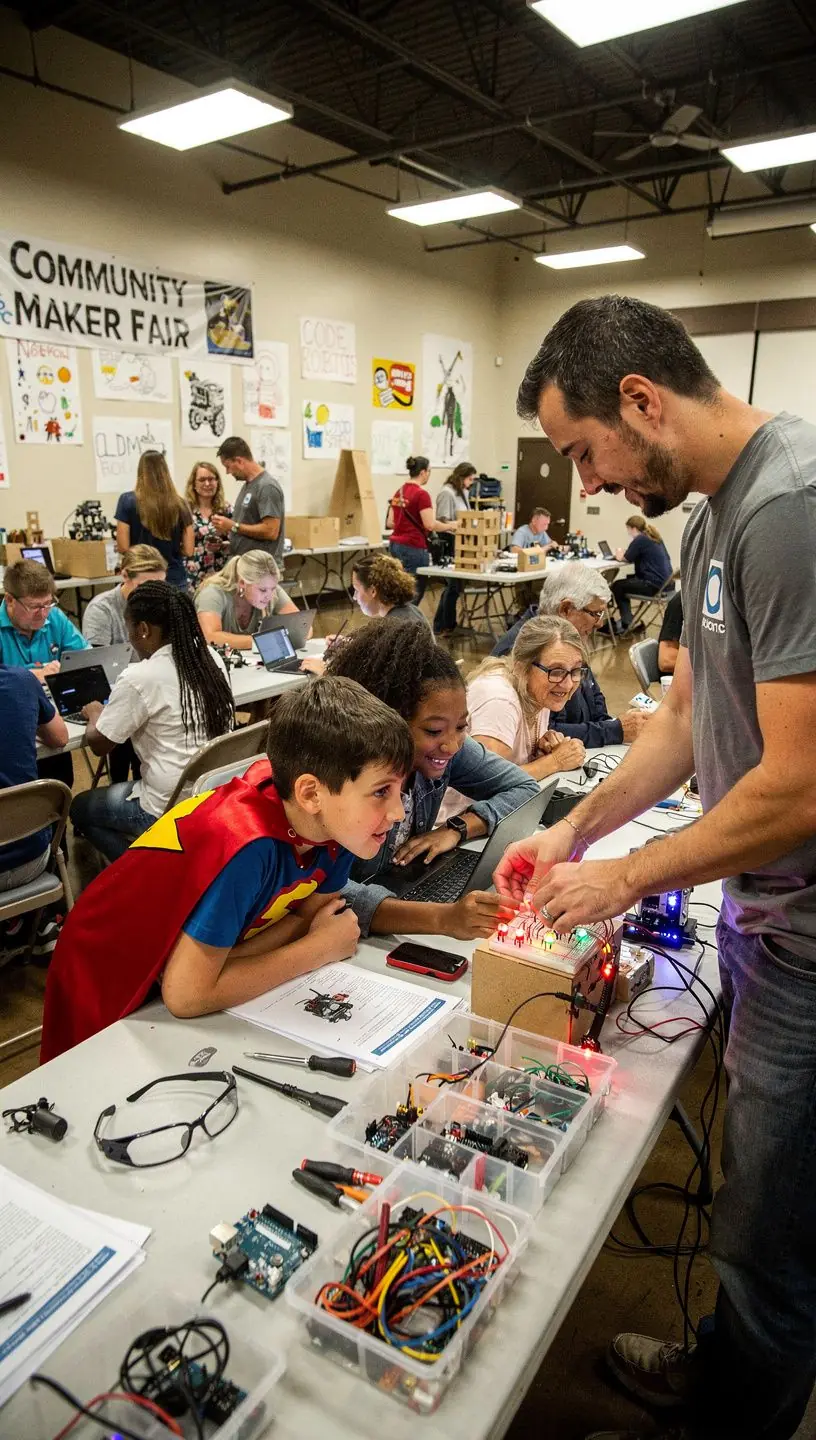
These networks usually operate via a combination of public and private resources, leveraging existing infrastructure while relying on community involvement for maintenance and support. The principle behind this approach is simple: when residents come together to share resources, they can often achieve connectivity that is otherwise unfeasible individually.
"Community networks can empower residents by providing them with the means to connect to vital services, educational resources, and employment opportunities." - National Digital Inclusion Alliance
Steps to Establishing a Community Wi-Fi Network
Setting up a community Wi-Fi network typically involves several key steps:
- Assess Community Needs: Conduct surveys to understand how many residents lack internet access and what their specific needs are. This assessment should typically take 2-4 weeks and can help tailor the network to actual demand.
- Identify Resources: Explore both financial and physical resources that can be mobilized for the project. This includes grants, partnerships with local businesses, and donations of equipment.
- Select Technology: Choose appropriate technology that fits the budget and the needs of the community. Options can vary from mesh networks to traditional routers, each with different cost and performance implications.
- Engage the Community: It is essential to involve community members in the planning and implementation process. A committed group of volunteers can help manage the network and make decisions on policy and maintenance.
Challenges and Limitations
While community Wi-Fi networks can be effective, there are challenges to consider:
- Funding: Securing funds for the initial setup and ongoing maintenance can be a hurdle. Many communities have found that local grants or sponsorships can help alleviate financial stress.
- Technical Expertise: Establishing a network may require technical knowledge that the community may not initially possess. This often entails a learning curve and may necessitate partnerships with local tech experts.
- Regulatory Issues: Navigating local regulations regarding wireless communication can be complex and varies by location, which may affect the feasibility of the project.
Conclusion
Community Wi-Fi networks represent a viable approach to enhancing internet access in underserved areas. While challenges exist, with careful planning and community engagement, these networks can provide significant benefits. By prioritizing education about internet access and pooling resources, communities can work towards closing the digital divide effectively.
Learn More