Understanding the Benefits of Green Roofs for Cities
As urban areas continue to expand, integrating green technologies becomes increasingly important. Green roofs, which incorporate vegetation on building rooftops, offer numerous benefits for cities. This article explores how these systems can positively impact urban environments.
Understanding the Basics of Green Roofs
Green roofs are living systems that include a waterproofing layer, a root barrier, a drainage system, a growing medium, and plants. Experts recommend that cities consider incorporating green roofs to address environmental challenges. According to the Environmental Protection Agency (EPA), green roofs can improve air quality and reduce urban heat islands, making them a viable option for modern city planning.
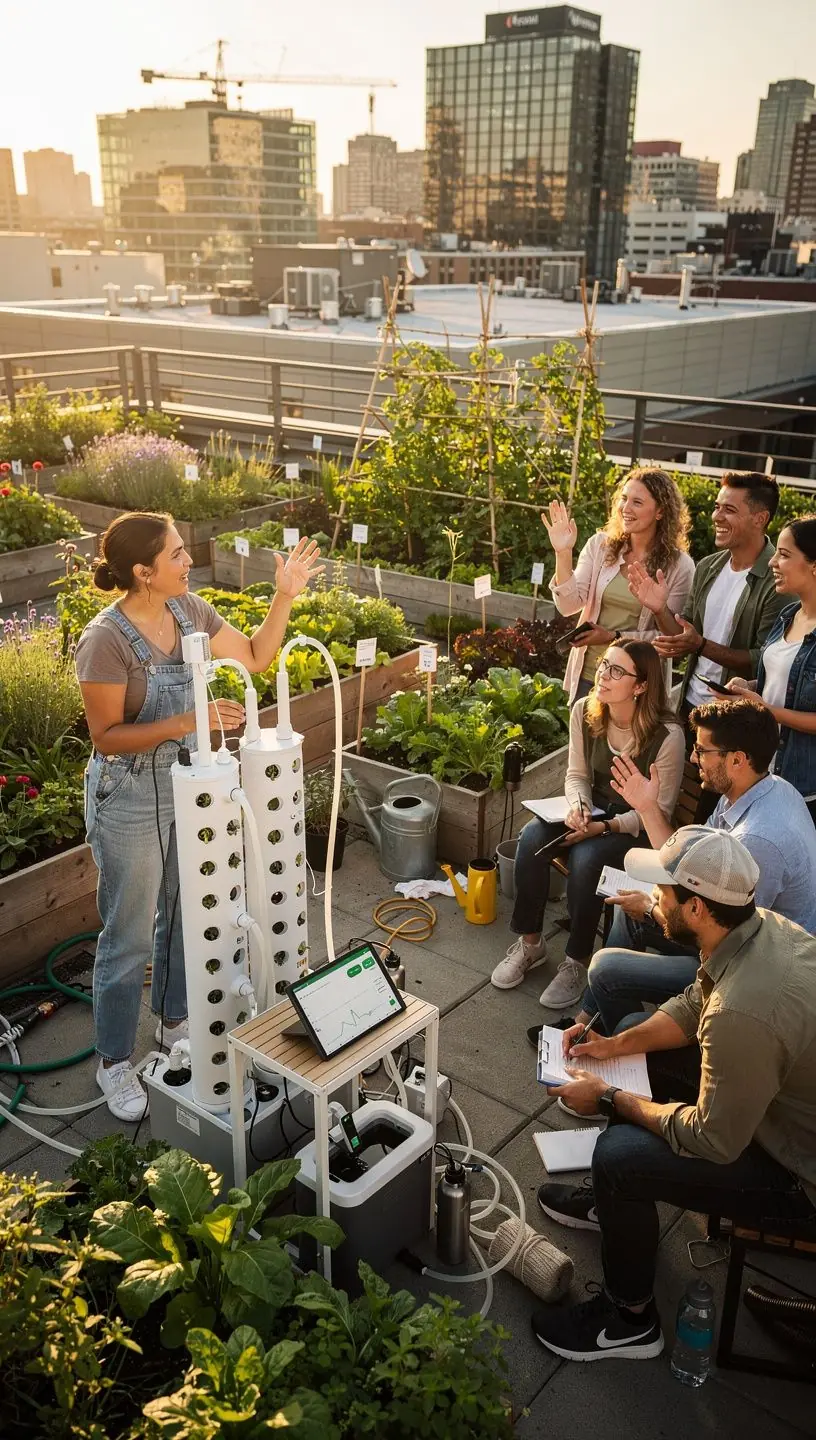
"Cities that implement green roofs can significantly enhance biodiversity and mitigate the effects of climate change."
Environmental Benefits
One of the primary advantages of green roofs is their ability to improve energy efficiency. Studies show that green roofs can lower rooftop temperatures by up to 40°F, reducing cooling energy needs for buildings in hot weather. This reduction in energy consumption can lead to substantial cost savings over time.
Stormwater Management
Green roofs also play a crucial role in stormwater management. They can absorb and retain rainwater, which helps reduce runoff and decrease the burden on urban drainage systems. Research indicates that green roofs can retain between 60% to 100% of rainfall, depending on the design and vegetation used. This capability is particularly valuable in urban areas prone to flooding.
Enhancing Biodiversity
In addition to environmental benefits, green roofs can foster urban biodiversity. By creating habitats for various plants and animals, green roofs contribute to ecological stability. Experts suggest that incorporating native plant species into green roof designs can maximize biodiversity benefits, providing food and shelter for local wildlife.
Practical Application of Green Roofs
- Green roofs can be implemented in both residential and commercial buildings, adapting to various types of architecture.
- The initial installation may require a higher investment; however, the long-term savings in energy and maintenance can offset these costs.
- Regular maintenance is essential to ensure plant health and roof performance, which typically requires commitment from property owners.
Challenges and Considerations
While the benefits of green roofs are significant, there are challenges to consider. The installation process is often complex and may require professional assistance. Moreover, research indicates that ongoing maintenance is essential to sustain the health of the vegetation and the performance of the roof system. Thus, potential adopters should be aware that green roofs work best in climates that support the desired plant species and that they may need to consult with landscaping professionals.
Conclusion
In summary, green roofs offer a multifaceted approach to improving urban living conditions. By enhancing energy efficiency, managing stormwater, and promoting biodiversity, they represent a promising solution for cities aiming to become more sustainable. As cities across the U.S. explore innovative solutions to environmental challenges, green roofs stand out as an effective practice that can provide long-term benefits.
Learn More