Innovative Waste Management Practices in Communities
As communities across the United States grapple with increasing waste production and dwindling landfill space, innovative waste management practices are emerging as vital solutions. These methods not only reduce waste but also promote sustainability and community engagement.
Understanding the Challenges
Many communities face significant challenges in waste management, primarily due to the sheer volume of waste generated. According to the Environmental Protection Agency (EPA), the average American generated about 4.9 pounds of waste per day in 2018. This translates to millions of tons of waste that need to be managed efficiently. To address these challenges, communities are increasingly adopting innovative practices that focus on reducing waste at the source and promoting recycling.
"Effective waste management is not just about disposal; it’s about reducing waste generation and enhancing recycling efforts." - Waste Management Research
Key Innovative Practices
Several communities have successfully implemented innovative waste management practices that others can learn from:
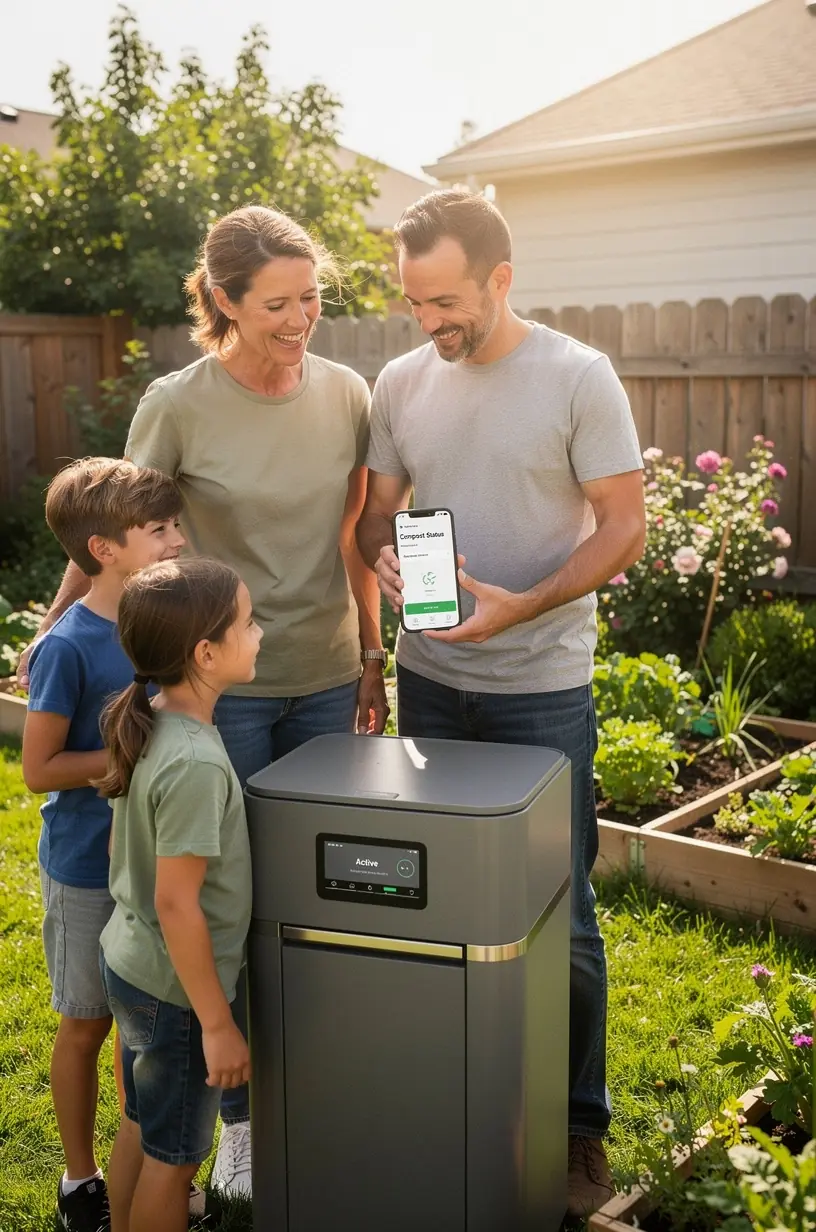
- Composting: Many municipalities have introduced community composting programs that allow residents to compost organic waste. Research indicates that composting can divert up to 30% of waste from landfills, transforming food scraps and yard waste into valuable soil amendments.
- Pay-As-You-Throw (PAYT) Programs: PAYT schemes charge residents based on the amount of waste they generate, encouraging them to reduce waste and increase recycling. Studies show communities adopting PAYT often experience a 15-30% reduction in overall waste.
- Recycling Education Initiatives: Effective educational campaigns can improve recycling rates significantly. Experts recommend providing clear guidelines and resources to residents to facilitate better recycling habits, which can lead to a 20-40% increase in recycling rates.
The Importance of Community Engagement
Engaging the community is critical for the success of any waste management initiative. Community involvement fosters a sense of ownership and responsibility towards local environmental issues. Many organizations suggest hosting local clean-up events and educational workshops to raise awareness about waste reduction and proper recycling methods.
Challenges and Considerations
Implementing innovative waste management practices is not without challenges. These initiatives typically require:
- Time and Commitment: Community programs often take several months to establish and require ongoing commitment from residents.
- Initial Investment: Some practices may require upfront investment in infrastructure or education, which can be a barrier for some communities.
- Adaptation to Local Needs: Solutions must be tailored to fit the unique context of each community. What works in one area may not be effective in another, necessitating careful planning and evaluation.
Conclusion
Innovative waste management practices offer promising solutions to the pressing challenges communities face today. By adopting methods such as composting, PAYT programs, and enhanced recycling education, communities can significantly reduce their waste footprint. While challenges exist, the potential benefits for the environment and community well-being are substantial, making these initiatives worth the effort.